
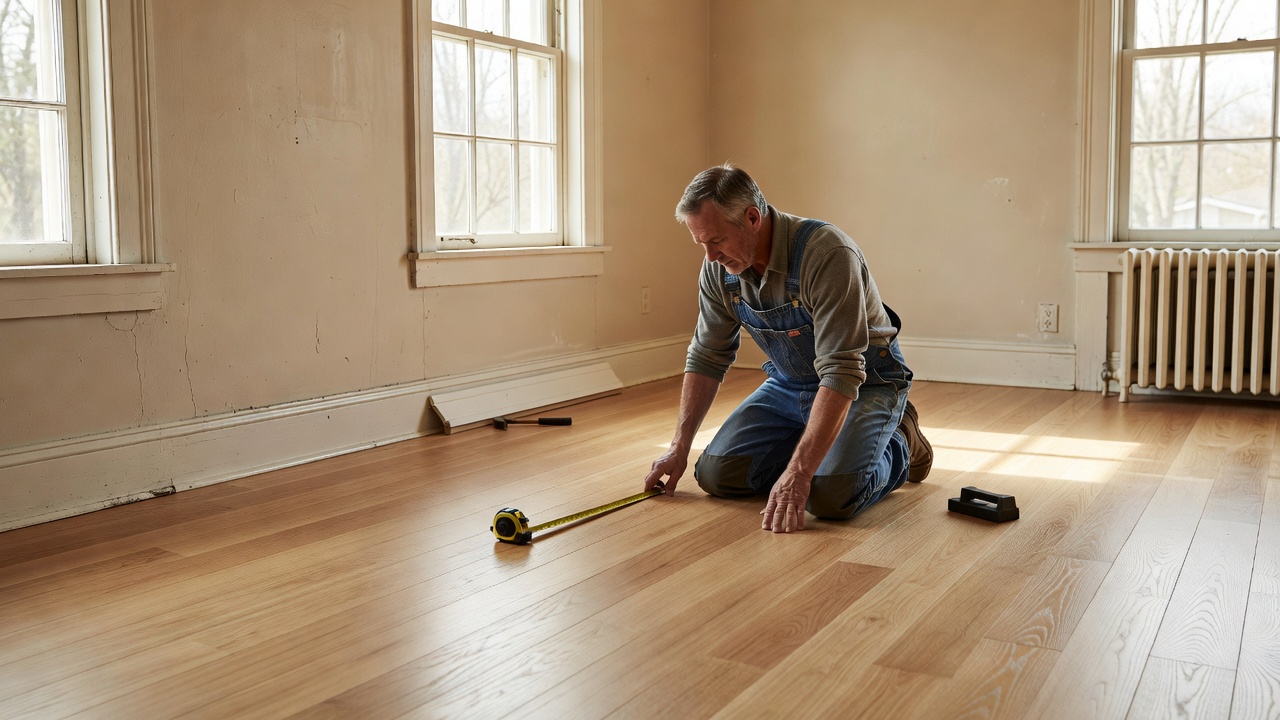
Flooring Installation in Binghamton, NY
Flooring installation involves choosing the right material, preparing the subfloor, and installing the finished surface according to the product’s requirements. Whether you’re considering hardwood, luxury vinyl plank, tile, laminate, or carpet, proper preparation is essential. An uneven or moisture-damaged subfloor can lead to gaps, buckling, loose tiles, and premature wear.
For homeowners and businesses planning a renovation, choosing the right flooring contractor in Binghamton, NY, starts with understanding the room, the existing floor, and how the space will be used. A1 Construction & Renovation offers flooring and remodeling services in the Binghamton area. Here’s what to consider before starting your project.
Start Here: What Binghamton Homeowners Should Check Before Installing New Floors
Many flooring problems begin before the first plank or tile is installed. The existing subfloor must be clean, stable, sufficiently level, and suitable for the flooring material. Installing new flooring over damaged or uneven surfaces can affect the finished result.
This is particularly important when renovating older homes. Before choosing a product, consider the following:
-
Subfloor condition: Are there soft spots, squeaks, loose panels, or visible damage? The surface may need repairs, leveling, or replacement.
-
Moisture concerns: Check for signs of water intrusion, especially in basements and rooms built over concrete slabs. Moisture testing may be necessary before installation.
-
Room function: A kitchen, entryway, bathroom, and bedroom have different exposure to water, foot traffic, and everyday wear.
-
Transitions and stairs: Changes between flooring materials, doorways, staircases, and adjoining rooms should be included in the installation plan.
-
Product requirements: Some flooring products need specific temperature, humidity, moisture, or acclimation conditions before installation.
Solid hardwood, for example, may need to acclimate to the home’s interior conditions, depending on the manufacturer’s instructions and the results of moisture testing. Other products have different preparation requirements.
Taking time to evaluate these details helps prevent avoidable installation problems and unexpected repair costs.
Flooring Installation Materials to Consider
The best flooring material depends on your budget, design preferences, room conditions, and maintenance expectations. Here are several common options for residential and commercial projects.
Hardwood Flooring
Solid and engineered hardwood provide a natural appearance that works well in many living spaces.
Solid hardwood is commonly installed using approved fastening methods over suitable wood subfloors. Engineered hardwood has a layered construction and may be suitable for certain installations where solid hardwood is not recommended.
However, neither product should be selected without considering moisture conditions, the subfloor, installation location, and manufacturer requirements. Some engineered hardwood products are approved for below-grade installation, while others are not.
Luxury Vinyl Plank and Tile
Luxury vinyl plank (LVP) and luxury vinyl tile (LVT) are popular choices for homeowners who want the appearance of wood or stone with relatively simple maintenance.
Depending on the product, these floors may offer water-resistant or waterproof construction. However, a waterproof flooring surface does not make an entire room waterproof. Moisture beneath the flooring or water entering through the subfloor can still cause problems.
Proper subfloor preparation, moisture evaluation, and expansion allowances are important for a successful installation.
Ceramic and Porcelain Tile
Ceramic and porcelain tile are durable options for bathrooms, kitchens, entryways, and other areas where a hard surface is preferred.
A successful tile installation requires a stable substrate, suitable underlayment or backer materials where needed, appropriate mortar, and correctly installed grout joints. The preparation method depends on the existing floor and the tile system being used.
If the project includes radiant floor heating, the heating system must be compatible with the tile installation and handled according to the manufacturer’s specifications.
Laminate Flooring
Laminate flooring offers a wood-look finish at a range of price points. Many products use a floating installation system with a locking mechanism.
Expansion gaps, underlayment requirements, and moisture protection depend on the specific product. Some laminate products are designed for areas with occasional moisture exposure, but that does not mean every laminate floor is suitable for bathrooms or other consistently wet locations.
Carpet
Carpet provides a softer surface and can help make bedrooms and living areas feel more comfortable.
Installation methods include stretch-in systems and glue-down applications. The appropriate method depends on the carpet type, room layout, and substrate. Stair installations also require careful fitting around treads, risers, and edges.
For commercial spaces, options such as carpet tile and commercial-grade resilient flooring may be worth considering. Ask the contractor which materials and installation systems are available for your particular project.
How the Flooring Installation Process Works
Every flooring project is different, but a well-organized installation generally follows several steps.
1. Site Visit and Assessment
The first step is evaluating the space. Measurements are taken, the existing flooring is reviewed, and the condition of the subfloor is assessed.
The contractor should also ask about the room’s intended use, moisture exposure, furniture, stairs, and transitions to adjoining areas.
2. Material Selection and Ordering
Once the project requirements are clear, you can compare flooring materials based on appearance, durability, maintenance, and cost.
The quantity ordered should account for the room’s measurements, layout, and cutting requirements. The amount of additional material needed varies by product and installation pattern.
3. Subfloor Preparation
Subfloor preparation is one of the most important parts of the project. Depending on the condition of the existing surface, the work may include:
-
Removing loose or damaged material.
-
Securing loose subfloor panels.
-
Repairing damaged sections.
-
Correcting uneven areas with suitable products.
-
Checking moisture conditions.
-
Preparing the surface according to the flooring manufacturer’s instructions.
If moisture problems are present, the source should be addressed before the new flooring is installed.
4. Flooring Installation
The installation method depends on the selected material. Hardwood may require fastening or adhesive, while laminate and some vinyl products use floating systems. Tile requires a suitable substrate and setting materials.
The installer must follow the product’s requirements for spacing, adhesive, underlayment, moisture protection, and room transitions.
5. Final Walkthrough
After installation, the finished floor should be reviewed for visible defects and incomplete details.
Check the transitions, thresholds, edges, baseboards, and other finishing work. The contractor should also explain any care instructions or product-specific recommendations.
What’s Included in a Flooring Installation Job?
The scope depends on the contractor’s estimate and the condition of the existing floor. A typical project may include:
-
Removal of existing flooring, if included in the quote.
-
Disposal of removed materials.
-
Subfloor inspection.
-
Minor subfloor repairs, if specified.
-
Underlayment or moisture-control materials where required.
-
Installation of the selected flooring.
-
Transition strips and thresholds.
-
Baseboard or shoe molding work, if included.
-
Final cleanup.
More extensive work, such as full subfloor replacement, stair installations, major leveling, or radiant heating modifications, may require separate pricing.
Before signing an agreement, ask for an itemized estimate that identifies the materials, labor, preparation, removal, disposal, and additional charges. This makes it easier to understand what is included and what may cost extra.
Choosing a Flooring Contractor in Binghamton, NY
A flooring project involves more than selecting a material and arranging installation. The contractor should understand the requirements of the flooring product, evaluate the existing surface, and explain how the work will be completed.
Before hiring a contractor, consider these questions:
-
What flooring materials do you install? Ask about experience with the specific product you want.
-
How will you evaluate the subfloor? The contractor should explain how uneven areas and moisture concerns will be addressed.
-
What does the estimate include? Confirm whether removal, disposal, repairs, transitions, and trim work are included.
-
Who handles additional repairs? Ask how unexpected damage or moisture problems will affect the project.
-
What insurance coverage is available? Request appropriate proof of coverage before work begins.
-
What is the expected schedule? Ask about material delivery, preparation, installation, and possible delays.
-
What warranty applies? Understand the difference between product warranties and workmanship coverage.
New York consumers should also review the written contract carefully. The New York Attorney General recommends checking contractor references, verifying insurance, and obtaining a written agreement for covered home improvement work exceeding $500.
A clear agreement should describe the work, materials, price, and approximate start and completion dates.
Why Consider A1 Construction & Renovation for Flooring Installation?
A1 Construction & Renovation offers remodeling and flooring-related services in Binghamton, NY. Its published service information lists hardwood, laminate, tile, and luxury vinyl flooring among its offerings.
For homeowners planning a flooring upgrade, discussing the project directly with the contractor can help establish which materials and installation methods are suitable for the property.
Before scheduling, ask A1 about:
-
The flooring materials available for your project.
-
Its experience with your preferred flooring type.
-
Subfloor preparation and moisture evaluation.
-
Whether existing flooring removal is included.
-
Insurance documentation and applicable contractor credentials.
-
The estimated project schedule and written warranty terms.
A written, itemized estimate helps both sides understand the project before installation begins.
Frequently Asked Questions About Flooring Installation in Binghamton
How long does flooring installation take for a typical home?
The timeline depends on the size of the area, flooring material, subfloor condition, and amount of preparation required.
A single-room project may take one or more days, while a larger installation involving multiple rooms, stairs, or extensive repairs can take longer. Hardwood finishing, tile curing, material delivery, and manufacturer-specific requirements may also affect the schedule.
Ask your contractor for an estimated timeline after the site assessment.
Can LVP or laminate handle Binghamton’s seasonal weather changes?
Many LVP and laminate products can be installed successfully in homes throughout the region. However, performance depends on the product’s specifications and the conditions inside the home.
Temperature and humidity changes can affect flooring materials, particularly wood-based products. Proper subfloor preparation, moisture testing where required, suitable expansion gaps, and compliance with manufacturer instructions all help reduce the risk of movement or installation problems.
For rooms with moisture exposure, check the product’s approved installation locations before purchasing.
Do I need to move furniture before flooring installation?
Furniture arrangements should be discussed before the project starts. Some contractors offer furniture moving as an additional service, while others require homeowners to clear the installation area.
Remove personal belongings, breakable items, electronics, and small objects before the crew arrives. For heavy furniture, appliances, or pianos, ask whether the contractor can move them and whether additional charges apply.
Confirming these details in advance helps avoid delays on installation day.
Ready to Plan Your Flooring Installation in Binghamton, NY?
New flooring can change the appearance and function of a room, but the quality of the finished result depends on choosing the right material and preparing the surface properly.
If you’re planning a flooring project in Binghamton, NY, contact A1 Construction & Renovation to discuss your space, material preferences, and installation requirements. Ask for an on-site assessment and a written estimate that clearly explains the proposed work.
A1 Construction & Renovation
Serving Binghamton, NY. Contact the company directly to confirm service availability in surrounding Southern Tier communities.
Serving your area: For related services in nearby communities, see Chimney Glen Cove and Maplewood Chimney Services.
Related from A1 Construction & Renovation: Handyman and Carpentry Binghamton NY · Drywall Repair Binghamton NY
Areas we serve
Binghamton, NY · Binghamton, NY · Binghamton, NY · Binghamton, NY


