
Published November 4, 2026
Handyman and Carpentry Binghamton NY: What You Can Handle Yourself and What to Hand Off
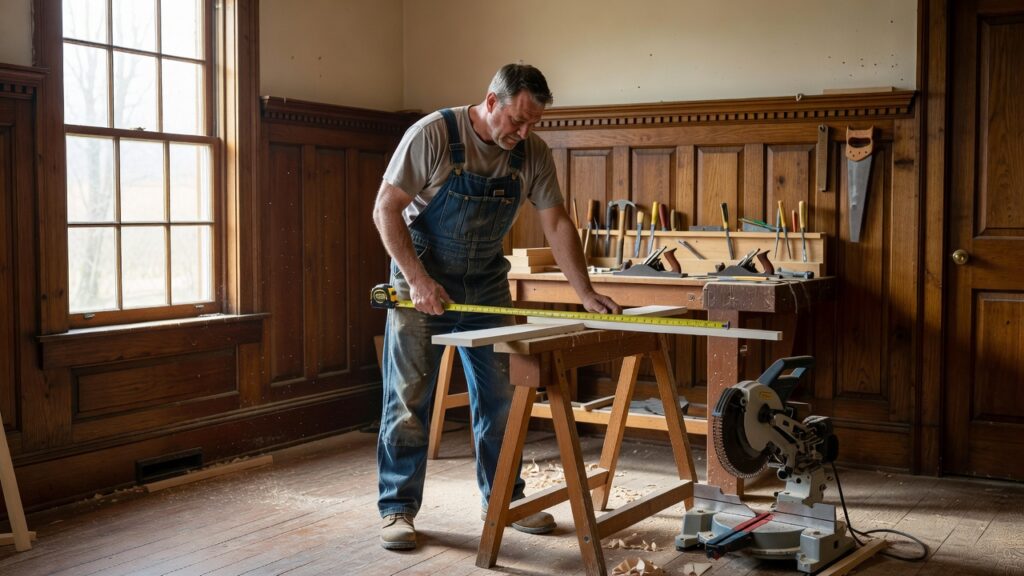
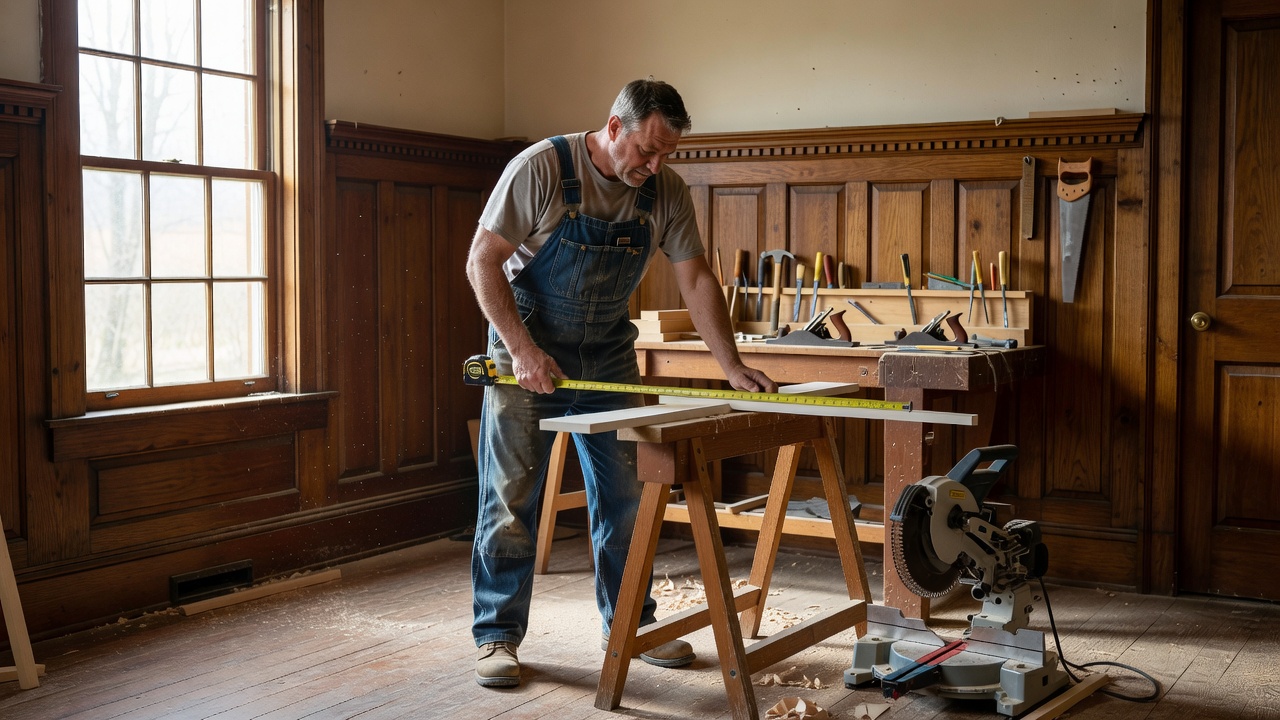
Spending on residential improvements and repairs in the United States exceeded $500 billion annually, according to the U.S. Census Bureau’s 2024 Survey of Construction. That number tells you something important: most homeowners are doing a lot themselves, some of it wisely, some of it not. Around Binghamton, we see the results of both choices on a regular basis. Our crews show up for handyman and carpentry work in Binghamton, NY and find bathrooms where a homeowner got 80% done and stalled, decks where the framing is off-square, or trim that looked fine until the paint dried. This guide is about helping you figure out where the line is before you pick up a saw.
Before you start any project
Last fall, a homeowner near the Riverside Drive corridor called us after spending a weekend trying to re-hang a sagging porch ceiling. He’d bought materials, watched several videos, and gotten partway through before realizing the joists above weren’t just cosmetically damaged there was rot running back toward the house. What started as a $200 DIY job turned into a structural repair. That scenario is common enough in Binghamton’s older housing stock, where homes in the Near Westside, the South Side, and up toward the Vestal line were built anywhere from the 1920s to the 1960s and carry decades of deferred maintenance.
Before you commit to any carpentry or handyman task, do three things. Walk the full scope of the project and look for water staining, soft wood, or previous patch jobs. Check whether a permit is required under 2026 Binghamton city code structural work, electrical, and plumbing almost always require one. And be honest about your tool kit, because a lot of carpentry goes sideways not from lack of skill but from using the wrong tools.
Step 1: Assess the structural layer first
Before you touch trim, cabinets, or finish work of any kind, probe the structure behind it. Press a screwdriver into wood around windows, along baseboards, and at the base of exterior door frames. Sound, solid wood resists. Soft or spongy wood means moisture has been there long enough to compromise the fiber. In Binghamton’s climate, with cold winters and wet springs, this is common on the north and east faces of homes in areas like Endicott and Johnson City where older vinyl or aluminum siding has been trapping moisture against original wood sheathing for years.
If the structure is solid, you can likely proceed with the finish-level work yourself. If it’s not, stop and call a licensed contractor. Covering soft wood with new trim or flooring doesn’t fix anything; it just delays the problem and raises the eventual repair cost.
Step 2: Sort your project into two categories
Not everything needs a pro. Some tasks are genuinely within reach for a careful homeowner with basic tools and a few hours. Others involve safety, code compliance, or precision that makes DIY a bad bet. Here’s how we sort it at A1 Construction and Renovation Service:
Tasks most homeowners can handle: replacing interior door hardware, patching small drywall holes, installing pre-hung interior doors in existing rough openings, touching up painted trim, assembling and installing pre-built cabinets in a space that’s already plumb and level, and replacing a rotted deck board when the framing underneath is sound.
Tasks that genuinely need a licensed contractor: sistering or replacing structural joists, any work that opens an exterior wall, stair stringer replacement, load-bearing wall modifications, exterior window or door rough openings, and anything that triggers a permit in Binghamton’s current building code cycle.
Step 3: Pull a permit if one is required
Binghamton’s building department requires permits for structural carpentry, additions, and work that affects egress. As of 2026, the city has updated its inspection sequencing for residential projects, so work done without a permit can require demolition of finished surfaces for inspection. That’s expensive. Our project managers handle permit applications for all permitted work we take on, and we’d encourage any homeowner doing their own work to call the city’s Code Enforcement office and confirm requirements before starting.
This matters especially in higher-scrutiny neighborhoods. Properties near Downtown Binghamton and in the Court Street area are often in older multi-family stock where code officers inspect more frequently.
Step 4: Set up for the work correctly
Most DIY carpentry problems we see come from poor setup, not poor execution. If you’re installing trim, your walls probably aren’t perfectly plumb or square. Measure the actual angles with a bevel gauge rather than assuming 90 degrees. If you’re replacing flooring, acclimate the material in the space for at least 48 hours before installation, particularly important during Binghamton winters when indoor humidity swings sharply when the heat runs.
Use the right fasteners for the substrate. Exterior carpentry requires stainless or hot-dipped galvanized fasteners. Interior finish nails are not interchangeable with structural nails. These are the details that separate a repair that lasts ten years from one that fails in two.
Step 5: Know when to stop mid-project
Opening a wall and finding knob-and-tube wiring, discovering that a floor joist is notched incorrectly by a previous owner, finding active moisture intrusion behind siding: these are stop points. Don’t work around them. The Harvard Joint Center for Housing Studies reported in 2024 that homeowners who invest in professional renovation see satisfaction scores 15 to 20 percent higher than DIY projects of equivalent scope. Part of that gap comes from professionals catching the hidden problems that DIYers either miss or choose to ignore.
If you hit something unexpected, take photos, stop work, and get a qualified set of eyes on it. Our team does walk-through assessments for homeowners who are mid-project and uncertain — we can tell you whether it’s safe to continue or whether the scope has changed.
Step 6: Finish work is harder than it looks
Painting over caulk before it’s fully cured, cutting baseboard returns at the wrong angle, leaving gaps at outside miters because the walls aren’t square: these are the finish carpentry mistakes that make a room look amateur regardless of how solid the underlying work is. If you’ve done the structural and rough work yourself and want the finish to look right, it’s worth bringing in a carpenter for the final phase. The cost is lower than a full project because the prep is done, and the result looks intentional.
According to the National Kitchen and Bath Association’s 2025 Design Trends Report, open-concept kitchen-to-living renovations remained the most requested project type for the third consecutive year. If you’re planning that kind of work in your home, the finish carpentry built-ins, cased openings, custom trim transitions is where the investment in professional work pays off visibly every day.
Step 7: Close out the project properly
If you pulled a permit, schedule your final inspection before you close up walls or install finish flooring over structural work. Keep copies of all permit signoffs, especially if you’re in a neighborhood like the Near Westside or Prospect Hill where property sales sometimes require documentation of permitted work during buyer due diligence. If a contractor did any part of the work, get a lien waiver and a written completion statement before making the final payment.
These aren’t bureaucratic details. They protect your investment and your ability to sell or refinance without surprises.
Troubleshooting tip: when the finish doesn’t match
If you’ve replaced trim or repaired wood and the paint finish doesn’t match the surrounding surface even after two coats, the problem is usually sheen and porosity, not color. New wood and patched drywall absorb paint differently than the existing surface. Prime the repaired area with a shellac-based primer before applying finish coats, and use the same sheen level as the surrounding paint. Flat on flat, satin on satin. This one step eliminates the patchy, obvious repair look that frustrates most homeowners after a DIY carpentry project.
Our crews handle handyman and carpentry work throughout Binghamton, NY and the surrounding area, from smaller punch-list repairs to full structural carpentry. If you’re planning a project and want a second opinion on scope, materials, or whether a permit applies to your situation, contact A1 Construction and Renovation Service for a straightforward conversation about what makes sense for your home.
If you’re also planning a kitchen or bathroom update alongside your carpentry work, our full renovation packages often coordinate both scopes under a single mobilization, which reduces overall project cost and scheduling gaps.
Frequently Asked Questions
How much does handyman and carpentry work in Binghamton, NY typically cost in 2026?
Pricing varies considerably by scope. Small handyman repairs in Binghamton, like replacing a door, patching trim, or fixing a deck board, generally run $150 to $500 depending on materials. Structural carpentry, custom built-ins, or finish work on a larger renovation can range from $2,000 to well over $10,000. The National Association of Home Builders reported in 2024 that average kitchen remodel costs range from $25,000 to $75,000 when carpentry is part of a broader project scope. The honest answer is that a site visit gives you a real number; phone estimates for carpentry work are rarely accurate because so much depends on what’s behind the walls.
Do I need a permit for carpentry work on my Binghamton home?
It depends on the scope. Replacing like-for-like trim, interior doors, or flooring generally doesn’t require a permit in Binghamton. Structural work, including joist repairs, load-bearing modifications, stair replacement, or anything that changes the building envelope, does require a permit under 2026 city code. If you’re uncertain, call Binghamton’s Code Enforcement office directly before starting. Work done without a required permit can result in stop-work orders or required demolition of finished surfaces for inspection.
How do I know if a local handyman or carpenter is properly licensed for work in Binghamton, NY?
In New York State, contractors performing work above certain dollar thresholds are required to be licensed and insured. Ask any contractor you’re considering for their New York State Home Improvement Contractor registration number and proof of general liability and workers’ compensation insurance before signing anything. For permitted structural work, the licensed contractor of record will be responsible for code compliance and final inspection signoffs. Hiring someone without verifiable credentials puts you at risk if something goes wrong during or after the project.
Related from A1 Construction & Renovation: Drywall Repair Binghamton NY · Kitchen Remodeling in Binghamton, NY
Areas we serve
Binghamton, NY · Binghamton, NY · Binghamton, NY · Binghamton, NY · Binghamton, NY


