
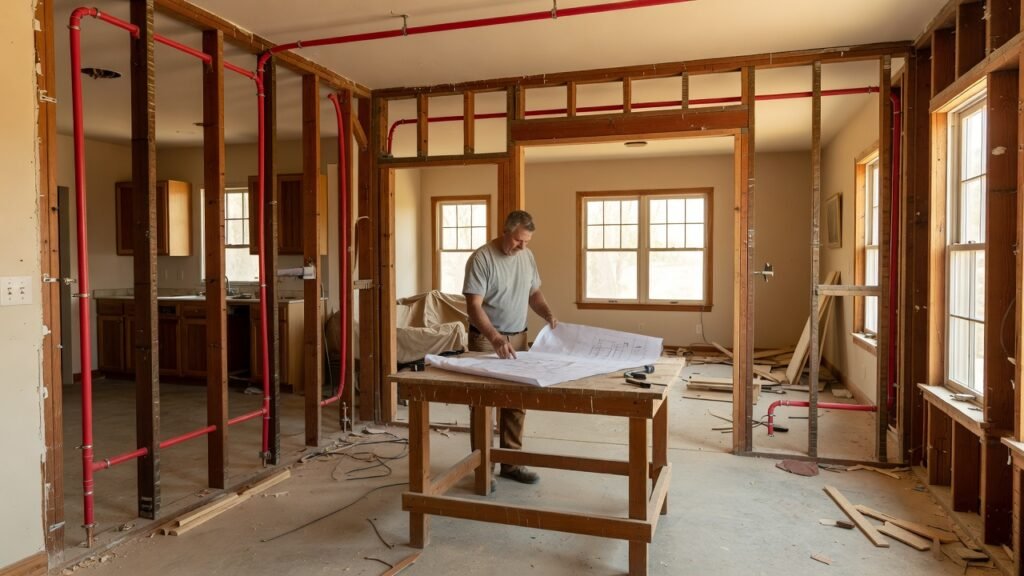
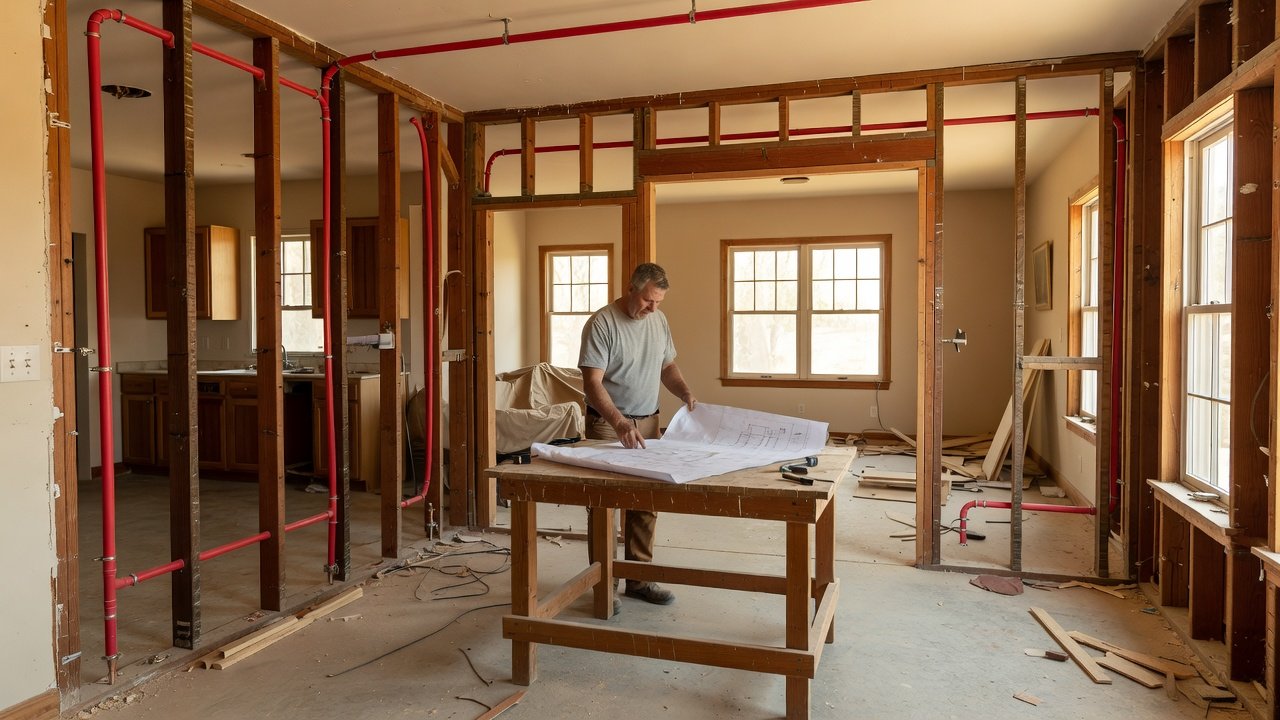
Smart Whole Home Renovation San Antonio: 2026 Guide for San Antonio, TX Residents
A homeowner in Alamo Heights called us last fall with a quote she’d received from another contractor: $310,000 for a whole home renovation on a 2,400-square-foot house built in the 1970s. A week later, a neighbor of hers in Olmos Park got a quote for a nearly identical scope at $178,000. Neither contractor had walked her through what was actually driving those numbers or what she could reasonably do herself to bring costs down. That gap, and that confusion, is exactly why we wrote this.
Whole home renovation San Antonio homeowners are planning right now looks very different from what it looked like even three years ago. Material costs have stabilized somewhat after the post-COVID surge, but San Antonio’s labor market remains tight, permit timelines at the city’s Development Services Department have stretched, and older homes in neighborhoods like Dignowity Hill and Monte Vista are surfacing surprises behind walls that no one anticipated. Knowing which problems, you can genuinely handle yourself and which ones will cost you far more if you try is the most practical knowledge we can share.
The National Association of Home Builders reported in 2024 that the average kitchen remodel alone ranges from $25,000 to $75,000 depending on scope, materials, and regional labor costs. In a whole home renovation, multiply that complexity across every system in the house.
The Problems We Actually Find and How They Get Diagnosed
When our estimators walk a full renovation in San Antonio, they’re not just taking measurements. They’re reading the house. Here are the six most common problems we encounter, what they look like on the surface, what’s usually causing them underneath, and where the line falls between a capable DIYer and a situation that genuinely requires licensed work.
1. Galvanized or Polybutylene Plumbing
Symptoms: low water pressure throughout the house, rust-colored water at first run, visible corrosion at fittings. In homes built before 1990 and there are thousands of them in Southtown, King William, and the neighborhoods around Loop 410 galvanized steel pipe was standard. Polybutylene, a gray plastic pipe used through the mid-1990s, also shows up regularly.
The diagnostic reasoning: low pressure in one fixture is usually a localized clog. Low pressure everywhere, combined with discoloration, tells us the supply lines themselves are failing. We run a pressure test and often open one wall cavity to confirm pipe material before we commit to a scope. What a homeowner can do themselves: swap out faucet aerators, replace accessible shutoff valves under sinks. What they cannot do: replumb a supply system. That work requires a licensed plumber, pulled permits, and inspections period. Attempting it without licensure voids insurance coverage on the work and can complicate a future sale.
Can this be prevented going forward? Replacing galvanized or polybutylene with PEX during a whole home renovation is the time to do it. PEX is flexible, freeze-resistant, and the cost of running it is far lower when walls are already open.
2. Aluminum Wiring in the Panel or Branch Circuits
Symptoms: outlets that feel warm, flickering lights not explained by bulb issues, circuit breakers that trip repeatedly under normal loads. Homes built in San Antonio between roughly 1965 and 1973 frequently used aluminum branch wiring because copper prices spiked during that period.
The diagnostic reasoning: aluminum wiring isn’t automatically dangerous, but it requires specific devices CO/ALR-rated outlets and switches, and it expands and contracts differently than copper, which loosens connections over time. Our electricians check for the presence of aluminum at the panel, identify which circuits are affected, and test connection integrity at outlets. A homeowner can reset a tripped breaker. They cannot safely remediate aluminum wiring. This is licensed electrician territory, and it’s work our team takes seriously because the liability exposure for unpermitted electrical work in Bexar County is significant.
Can this be prevented? Not retroactively, but a full electrical upgrade during a whole home renovation catches this before it becomes an emergency.
3. Foundation Movement and Interior Door Alignment
Symptoms: doors that stick or won’t latch, diagonal cracks running from window corners, gaps between the wall and ceiling in interior rooms. San Antonio’s expansive clay soil particularly in areas like Stone Oak and the far north side shifts seasonally and can cause foundation movement that looks alarming but is often manageable.
The diagnostic reasoning: we bring in a foundation specialist before any renovation work begins if we see these signs. A crack that’s stable and sealed is different from one that’s actively growing. We use a level on floor surfaces and measure door rough openings. Homeowners can monitor cracks with pencil marks and dates that’s legitimate and useful data. What they should not do is assume sticking doors are just humidity, or attempt to shim a settling foundation themselves.
4. HVAC Systems Running Continuously Without Keeping Up
Symptoms: rooms that are ten degrees off from the thermostat reading, unusually high CPS Energy bills, equipment that runs almost nonstop during July and August. San Antonio summers are not forgiving, and undersized or aging HVAC systems reveal themselves fast.
The diagnostic reasoning: our project managers look at the equipment age, the duct layout, and the insulation levels before recommending replacement. A 1980s home in Terrell Hills with original ductwork and R-11 attic insulation is going to defeat any new HVAC unit you install if the envelope isn’t addressed first. The sequence matters. Homeowners can replace filters, seal obvious duct gaps with mastic tape, and add attic insulation as a DIY project. Equipment replacement and system design require licensed HVAC contractors under 2026 San Antonio permit requirements.
5. Water Intrusion Behind Tile or Under Flooring
Symptoms: soft spots in the floor near the shower, grout that keeps cracking back within weeks of repair, a persistent musty odor in bathrooms or near exterior walls. This is one of the most underestimated problems in older San Antonio homes.
The diagnostic reasoning: we use a moisture meter before any tile work begins. If readings are elevated, we open the substrate rather than tile over the problem. The source could be a failed pan liner, missing backer board, or a slow leak from supply lines. A homeowner can re-caulk a tub surround. They cannot correctly waterproof a shower niche or install a pre-slope mortar bed, and improperly waterproofed bathrooms are one of the leading causes of structural damage we see in whole home renovations.
According to a 2024 Harvard Joint Center for Housing Studies report, homeowners who invest in professional renovation see 15 to 20 percent higher satisfaction scores compared to DIY projects of equivalent scope. In our experience, the gap is widest on exactly these kinds of hidden-moisture problems, where a DIY fix that looks finished lasts six months before failing again.
6. Load-Bearing Wall Confusion During Open-Concept Work
Symptoms: a homeowner wants to open the kitchen to the living area the top requested renovation type three years running according to the NKBA’s 2025 Design Trends Report and either doesn’t know which walls carry load or assumes none of them do.
The diagnostic reasoning: in San Antonio’s mix of slab-on-grade homes and pier-and-beam bungalows, load-bearing walls don’t always follow obvious patterns. We pull the original construction plans when available, look at the direction of floor joists, and check what’s directly above the wall in question. A homeowner can take down a non-load-bearing partition themselves with basic tools. They cannot safely remove a load-bearing wall without engineering documentation, proper header sizing, and temporary shoring work that requires permits and inspections under Bexar County code.
What a Whole Home Renovation in San Antonio Actually Costs in 2026
For a mid-range whole home renovation on a 1,800 to 2,500 square foot home in neighborhoods like Beacon Hill or Lavaca, we’re typically seeing total project budgets ranging from $120,000 to $280,000 depending on the condition of existing systems, the finish level selected, and whether structural changes are involved. The U.S. Census Bureau’s 2024 Survey of Construction found that spending on residential improvements and repairs exceeded $500 billion annually which tells you the market is active, but it also means demand for skilled labor is high and timelines need to be planned carefully.
Permit timelines through the City of San Antonio Development Services Department currently run four to eight weeks for full renovation packages. We factor that into every project schedule we build, and we pull permits on every job we take.
Ready to Start the Conversation?
If you’re planning a whole home renovation in San Antonio and you want a team that will walk the house with you, give you a straight scope, and tell you honestly what you can do yourself versus what needs licensed hands — we’d like to earn that conversation. Our estimators serve neighborhoods across Bexar County, from Helotes to the near East Side. We also offer full renovation packages that bundle kitchen, bath, and structural work at reduced mobilization cost when scopes are combined. Reach out to A1 Construction and Renovation Service to schedule a site visit and get a written estimate that actually explains the numbers.
Frequently Asked Questions
How long does a whole home renovation typically take in San Antonio?
For a home in the 1,800 to 2,500 square foot range, a full renovation involving kitchens, bathrooms, flooring, and mechanical systems typically runs four to seven months from permit approval to final walkthrough. Permit processing through the City of San Antonio currently adds four to eight weeks before physical work begins, so planning ahead matters. Homes with structural changes, foundation work, or full replumbing on the longer end of that range.
Do I need a permit for a whole home renovation in San Antonio, TX?
Yes. Any work involving structural changes, electrical, plumbing, or HVAC requires permits through the City of San Antonio Development Services Department as of 2026. Cosmetic work like painting, flooring, or cabinet replacement typically does not. Skipping permits on mechanical and structural work creates real problems at resale title companies and buyers’ inspectors will find unpermitted work, and remediation after the fact is almost always more expensive than pulling the permit correctly the first time.
What’s the best way to find a reliable whole home renovation contractor in San Antonio?
Ask for a Texas state contractor license number and verify it through the Texas Department of Licensing and Regulation. Ask specifically whether the company pulls its own permits or expects you to. Get a written scope of work before signing anything a legitimate contractor will provide one. References from completed projects in your neighborhood or similar San Antonio zip codes are worth requesting. Price alone is a poor filter; the gap between low and high bids on a whole home renovation often reflects what’s been left out of scope, not what the contractor charges per hour.
Related from A1 Construction & Renovation: Back Home Outdoor Renovation in Los Angeles, CA · Back Home Our Los Angeles, CA · Back Home Our in Los Angeles, CA


