
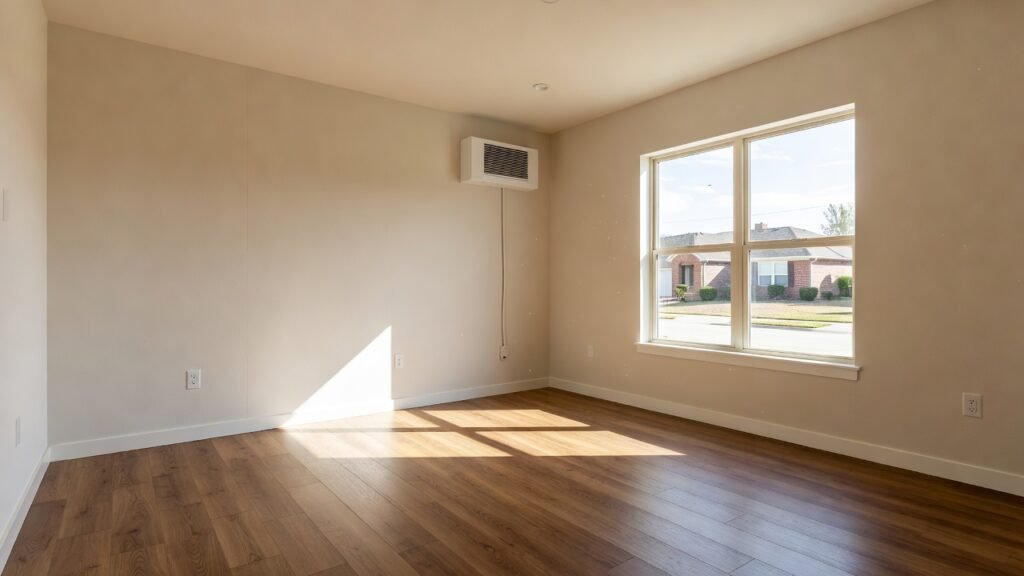
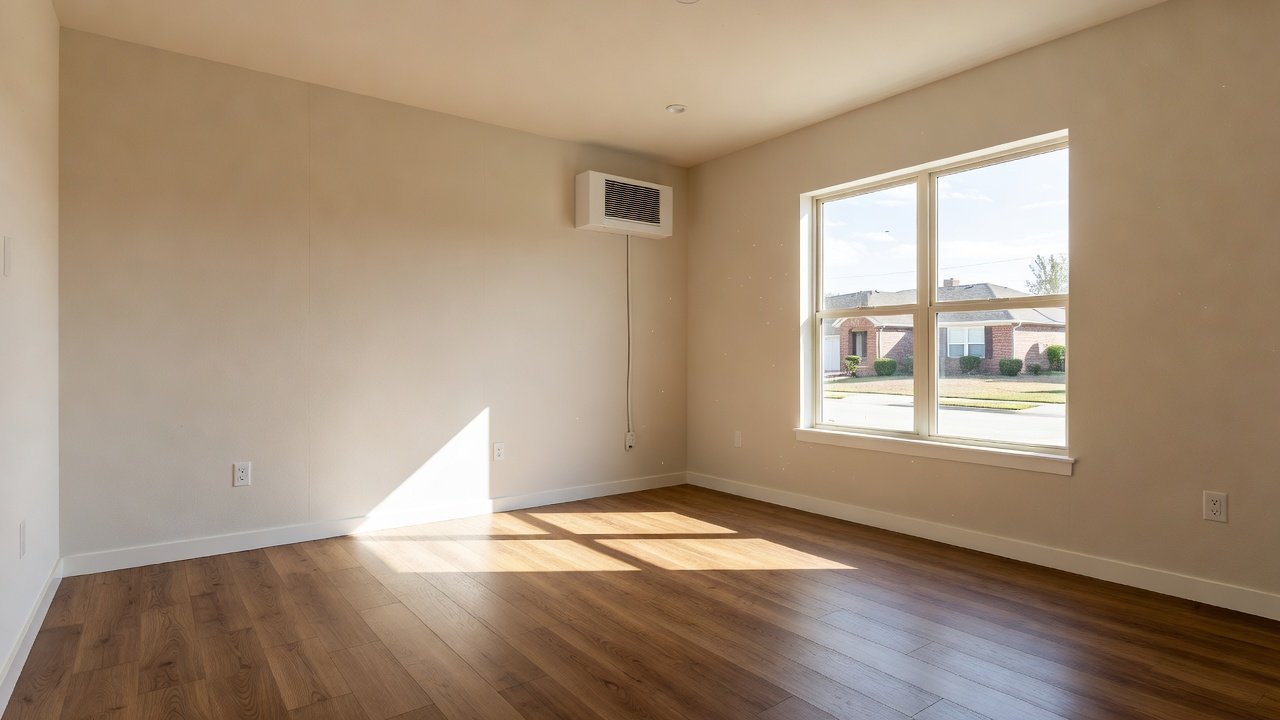
Smart Garage Conversion Contractors Dallas: 2026 Guide for Dallas, TX Residents
A homeowner in Oak Cliff called us last fall, frustrated and a little embarrassed. She had spent three weekends pulling permits research, watching YouTube tutorials, and pricing drywall at the Home Depot on Westmoreland Road before a city inspector told her, politely but firmly, that her garage conversion plans needed a licensed contractor and a stamped engineering drawing before Dallas would even review the application. She had not wasted money yet, but she had lost time and a lot of confidence. We hear versions of that story several times a year, and it is exactly why we wrote this guide.
Hiring garage conversion contractors in Dallas is not like hiring someone to paint your living room. The work touches structural walls, electrical panels, HVAC loads, and the city’s permitting office on Marilla Street. Get the contractor selection wrong and you risk an unpermitted structure that kills a future home sale or triggers code enforcement. Get it right and you add a bedroom, home office, or income-producing ADU that Dallas appraisers will value properly.
What a Homeowner Can Actually Handle Versus What Needs a Pro
We will be straight with you. There are parts of a garage conversion where an experienced DIYer can contribute and save real money. Painting finished walls, installing cabinet hardware, laying peel-and-stick luxury vinyl over a properly prepared slab those are reasonable self-finish tasks. Demolishing an interior partition that carries no load and has no utility lines running through it is also manageable with the right tools and a healthy sense of caution.
Everything else is where homeowners consistently get into trouble. Dallas building code requires a licensed electrician to add circuits or upgrade the panel when you are converting a garage. HVAC work in Texas requires a state-licensed HVAC technician. If the conversion involves closing the garage door opening with a framed wall, that framing must meet load and insulation requirements under the 2026 updated permit requirements adopted by the City of Dallas. And if your property sits in a flood zone, common in lower-lying parts of East Dallas and near the Trinity River corridor, the foundation slab elevation has to be evaluated before anyone finishes that floor.
The practical rule we give customers: if it requires a city inspection or a licensed trade, do not DIY it. The cost of unpermitted work is not just a fine. It is the cost of tearing out finished walls so an inspector can see what is inside them.
Credentials Worth Asking For Before You Sign Anything
In Texas, general contractors are not state-licensed the way electricians and plumbers are, which makes vetting a GC more important, not less. Here is what actually matters when evaluating garage conversion contractors in Dallas.
- A valid City of Dallas contractor registration number. You can verify this on the city’s permit portal. If a company cannot give you that number, walk away.
- Proof of general liability insurance and workers’ compensation. Ask for a certificate of insurance naming you as the certificate holder. A legitimate company sends this without hesitation.
- Licensed subcontractors for electrical, mechanical, and plumbing. Ask specifically who pulls those sub-permits, and confirm they hold active Texas licenses through the TDLR database.
- A physical business address in the Dallas-Fort Worth metro. Not a P.O. box. Not a home address in a city four states away. Local accountability matters when a punch list item needs attention six months after completion.
Membership in trade organizations like NAHB or the Texas Association of Builders adds credibility but is secondary to the license and insurance items above. Do not let a company substitute impressive-sounding affiliations for hard documentation.
Six Questions to Ask Before You Hire
We recommend asking these in a first meeting or phone call. Pay as much attention to how the contractor answers as to what they say.
- Who pulls the permit, and can I see the permit before work starts? The permit should be posted on site. Any contractor who suggests pulling permits “after the fact” or skipping them entirely is telling you something important about how they operate.
- Have you done conversions in my neighborhood’s zoning district? Homes in Lakewood, Preston Hollow, and far-north suburbs like Frisco and Allen each have different overlay rules and HOA considerations. Local experience is not optional.
- What happens if the slab needs moisture mitigation before flooring goes down? Dallas slabs move. A contractor who dismisses this question has probably never dealt with the consequences.
- How do you handle HVAC load calculations for the new conditioned space? Adding 400 square feet to your conditioned envelope changes your system’s demand. A good answer involves a Manual J calculation, not a guess.
- What is your payment schedule, and is it tied to project milestones? Avoid any contractor who asks for more than 30 to 40 percent upfront. Texas property code gives you some protections here, but the best protection is a milestone-based draw schedule written into the contract.
- Can you provide three local references from garage conversion projects completed in the past 18 months? Not Houzz reviews. Real phone numbers of real homeowners you can call.
Red Flags That Signal a Bad Operator
After years of cleaning up other contractors’ mistakes in neighborhoods from Bishop Arts to Addison, we have learned to spot the patterns early. These are the signals that should end a conversation.
A quote delivered verbally with no written scope of work. No legitimate contractor price-matches a competitor’s bid without reading the same scope. Pressure to decide within 24 hours or lose a “discount.” A contract that does not specify which city permits are included. And perhaps most telling: a company that discourages you from calling the city’s building inspection office. The Dallas Development Services Department on Marilla Street is a public resource. Any contractor who treats that office like a threat is someone whose work probably cannot survive an inspection.
“A 2024 Harvard Joint Center for Housing Studies report found that homeowners who invest in professional renovation see 15 to 20 percent higher satisfaction scores compared to DIY projects of equivalent scope — a gap that widens significantly when permits and code compliance are involved.”
How to Compare Quotes Without Getting Fooled by the Lowest Number
As of 2026, a straightforward single-car garage conversion in Dallas, covering roughly 400 square feet with basic finishes, runs between $28,000 and $52,000 when permitted and built to code. That range accounts for this year’s material costs, Dallas labor rates, and permit fees. A quote significantly below that range is not a deal. It is a question mark.
When you have two or three written bids in hand, compare them line by line: framing, insulation R-value, electrical panel capacity, HVAC solution, finish materials, permit fees, and cleanup. A low bid that excludes permit fees or lists “allowances” for electrical work without specifying scope is almost always going to grow. The National Association of Home Builders reported in 2024 that the average kitchen remodel ranges from $25,000 to $75,000 depending on scope and region garage conversions follow the same dynamic. Scope drives price. Make sure every bidder is quoting the same scope.
Also check whether the quote includes a final inspection sign-off. Some operators hand you a completed room and leave you to schedule your own final inspection. That is your problem if something fails.
Ready to Talk to a Local Team That Knows Dallas Permits and Slabs?
At A1 Construction and Renovation Service, our project managers work directly with the City of Dallas permitting office, and our licensed subcontractors carry active Texas credentials you can verify. We serve homeowners across Dallas proper, as well as surrounding communities in Garland, Mesquite, Duncanville, and Richardson. If you are considering converting an attached or detached garage into livable space, we are glad to walk your property, review your slab condition, and give you a written scope before you talk to anyone else. We also offer full home renovation packages that can bundle a garage conversion with interior updates at a reduced mobilization cost, which is worth discussing if you have been putting off more than one project.
Contact our team at A1 Construction and Renovation Service to schedule a no-obligation site visit.
Frequently Asked Questions
Do I need a permit to convert my garage into a bedroom or office in Dallas?
Yes, and there are no exceptions worth counting on. The City of Dallas requires a building permit for any garage conversion that creates conditioned living space, adds electrical circuits, or closes the garage door opening. The permit process triggers inspections for framing, electrical, mechanical, and insulation — all of which protect you and future buyers. Unpermitted conversions are a documented liability in a home sale and can require expensive remediation before a title company will close.
How long does a garage conversion typically take in Dallas with proper permits?
From permit application to final inspection sign-off, most single-car conversions in Dallas run six to ten weeks as of 2026. The permit review phase alone can take two to four weeks depending on the Development Services Department’s current backlog and whether the plans require any revisions. Construction itself, once the permit is in hand, typically runs three to five weeks for a straightforward project. Contractors who promise a completed conversion in two weeks are almost certainly skipping the permit process.
Can a converted garage count as a legal bedroom for resale purposes in Dallas?
It can, but only if it meets the city’s requirements for habitable space: minimum ceiling height, egress window or door, proper electrical, heating and cooling connected to the home’s system, and a certificate of occupancy or final inspection sign-off. A conversion that passes all inspections and meets these standards can absolutely be listed as a bedroom or additional living area. One that was finished without permits typically cannot, and Dallas area appraisers and real estate agents are experienced at identifying the difference.
Related from A1 Construction & Renovation: Smart Garage Conversion Contractors Las Vegas · Garage Conversion City · ADU Construction City


