Honest Kitchen Remodeling Cost in Atlanta, GA: 2026 Guide for Atlanta Residents
Atlanta kitchens are not a national average. A homeowner in Decatur renovating a 1970s split-level faces a completely different cost profile than someone updating a new-build townhome in West Midtown or a historic bungalow in Grant Park. We have priced and built hundreds of kitchen projects across this metro, and the number one thing that surprises people is not the final invoice it is how many decisions made in the first two weeks determine whether the project lands at $28,000 or $68,000. This guide walks you through exactly how kitchen remodeling cost in Atlanta works, what moves the number up, and what you can do to protect your budget before a single cabinet is ordered.
Before You Start
Pull your kitchen’s square footage, note whether your layout involves a load-bearing wall, and photograph every electrical panel, plumbing stub-out, and HVAC vent inside the space. Atlanta’s permitting office through the City of Atlanta Department of City Planning requires permits for any structural, electrical, or plumbing work and as of 2026, updated permit requirements mean inspections are being scheduled further out than in previous years. Knowing your existing conditions before your first contractor meeting saves time and prevents mid-project surprises that inflate cost.
Also check whether your home falls inside a historic district overlay. Neighborhoods like Inman Park, Vine City, and Cabbagetown have design review requirements that can add review time and restrict certain exterior-facing changes. Interior kitchen work is typically exempt, but it is worth confirming before demo day.
Step 1: Understand the Real Cost Tiers in Atlanta
Most Atlanta homeowners fall into one of three budget bands, and knowing which one fits your goals is the fastest way to calibrate expectations.
- Entry-level refresh ($15,000–$28,000): Cabinet refacing or RTA (ready-to-assemble) replacements, stock countertops, updated fixtures, new flooring. No layout changes.
- Mid-range remodel ($28,000–$55,000): Semi-custom cabinetry, quartz or granite counters, tile backsplash, updated appliances, cosmetic electrical and plumbing updates. Minor layout tweaks.
- Full custom gut ($55,000–$110,000+): Custom cabinetry, premium appliances, full layout reconfiguration, structural work, high-end finishes throughout.
The National Association of Home Builders reported in 2024 that the average kitchen remodel ranges from $25,000 to $75,000 depending on scope, materials, and regional labor costs — and in a market like Atlanta, labor costs are running at the higher end of national ranges in 2026 due to sustained construction demand across the metro.
Step 2: Price Out Labor Separately From Materials
One mistake we see constantly: homeowners price out their finishes online, assume that number is the project cost, and then absorb sticker shock when they see our full estimate. In Atlanta right now, skilled trade labor typically represents 30–40% of a kitchen remodel’s total cost. Electricians in the Buckhead and Sandy Springs corridors are booking 3–4 weeks out. Tile setters with kitchen experience are similarly tight. If you are planning a mid-range project, budget at least $8,000–$14,000 in labor alone before materials touch the estimate.
Our estimators break every proposal into a clear materials line and a labor line so you know exactly what you are paying for. That transparency is something we think every homeowner deserves, regardless of project size.
Step 3: Identify the Four Biggest Cost Drivers
Across the projects our crews have completed from East Atlanta to Smyrna and up into Dunwoody, four factors consistently move the number more than anything else.
- Cabinetry choice. Stock cabinets might run $80–$150 per linear foot installed. Custom can hit $500–$1,200 per linear foot. This single line item can be the difference between a $30,000 and a $70,000 project.
- Layout changes. Moving a sink requires a plumber. Moving a wall requires a structural engineer and possibly a beam. Moving a gas range requires a licensed gas line extension. Each of these adds $2,000–$8,000 to the baseline.
- Appliance package. A builder-grade appliance set costs $3,000–$5,000. A professional-grade package from a brand like Wolf or Sub-Zero starts at $15,000 and goes up sharply from there.
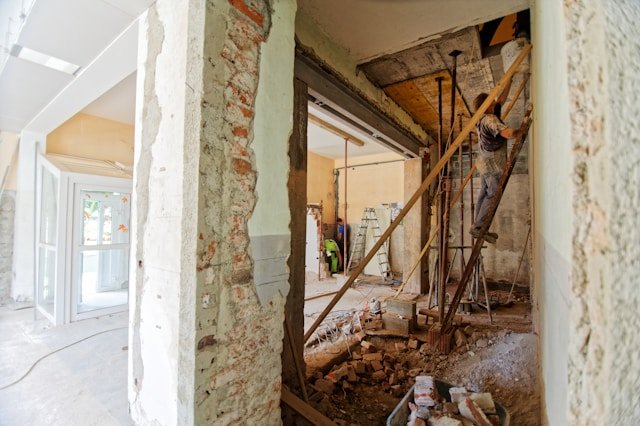
- Unexpected conditions. Older homes in neighborhoods like Ormewood Park or East Lake frequently reveal knob-and-tube wiring, cast-iron drain lines, or asbestos-containing floor adhesive once demo begins. A 10–15% contingency budget is not optional it is standard practice on any project in a home built before 1985.
Step 4: Get Your Quotes in a Comparable Format
A homeowner in Kirkwood came to us last year after collecting three quotes ranging from $31,000 to $67,000 for what felt like the same project. The low bidder had excluded all electrical updates, new flooring, and permit fees. The high bidder had included a full appliance package the homeowner had not requested. When we leveled all three quotes to the same scope, they were within 8% of each other. Always ask each contractor to itemize: demolition, rough trades, cabinetry, countertops, flooring, fixtures, appliances, permits, and project management. Comparing a total number without a shared scope is meaningless.
Step 5: Weigh Resale Value Against Personal Enjoyment
Not every dollar you spend comes back at sale, and that is fine but you should go in with clear eyes. According to the 2025 Remodeling Cost vs. Value Report by Remodeling Magazine, mid-range bathroom remodels recoup an average of 66.7% of their cost at resale nationwide, and kitchen projects track in a similar range. The lesson is not “don’t spend money” it is that the kitchen you design primarily for the next owner will look different than the one you design for the next fifteen years of your own life. We help clients think through both scenarios before finalizing scope.
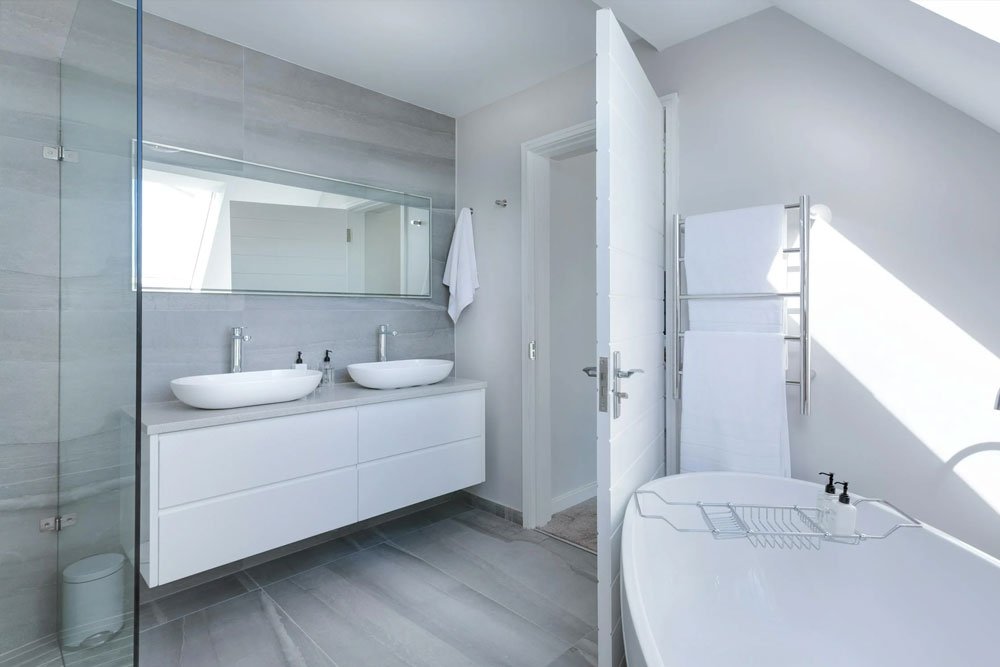
If you are also planning a bathroom update, our full renovation packages often bundle both projects at a reduced mobilization cost, which is worth asking about when we walk your home.
Step 6: Lock in a Realistic Timeline Before You Commit
In 2026, Atlanta’s construction season is fully booked through most of the summer. Custom cabinetry lead times from most manufacturers are running 8–12 weeks. If you want a kitchen done before the holidays, your cabinetry order needs to go in by late summer at the latest. A contractor who promises a six-week turnaround on a custom kitchen today is either using in-stock inventory or has not thought the timeline through. Ask specifically: when do cabinets ship, when does the countertop template happen, and what is the buffer if a trade inspection gets delayed.
Step 7: Get the Contract Right
Georgia does not require general contractors to hold a state license for residential work under a certain threshold, but Atlanta and Fulton County have their own requirements for licensed trades. Before signing, verify that your contractor carries general liability insurance and workers’ compensation coverage, and that all subcontractors pulling permits are properly licensed in the relevant trade. A 2024 Harvard Joint Center for Housing Studies report found that homeowners who invest in professional renovation see 15–20% higher satisfaction scores compared to DIY projects of equivalent scope and a well-structured contract is a large part of why professionally managed projects deliver on expectations.
Troubleshooting Tip: When Your Bid Comes Back Higher Than Expected
If your first estimate lands above your target, do not walk away before asking these three questions. First, is the cabinetry spec upgradeable to semi-custom or RTA to reduce that line? Second, can the layout be simplified to eliminate any planned wall or plumbing moves? Third, is the appliance package driving the number and is there a phased approach where rough-in is done now and premium appliances are added later? In most cases, a good project manager can find $5,000–$12,000 in legitimate scope adjustments without compromising the project’s core outcome. That is a conversation we are glad to have before you commit to anything.
Our team at A1 Construction and Renovation Service has been pricing and building kitchens across the Atlanta metro for years. We would rather spend an hour walking through a realistic budget with you now than have you discover surprises mid-project. Reach out to us at a1constructionandrenovationservice.com to schedule a no-pressure on-site estimate we work with homeowners from Decatur to Smyrna and all the neighborhoods in between.
Frequently Asked Questions
How much does a kitchen remodel actually cost in Atlanta in 2026?
Most Atlanta kitchen remodels fall between $28,000 and $75,000 for a mid-range project, with entry-level refreshes starting around $15,000 and full custom gut renovations reaching $110,000 or more. The final number depends heavily on cabinetry selection, whether the layout changes, and the condition of existing plumbing and electrical behind the walls. Older homes in neighborhoods like Grant Park or East Lake often carry higher costs due to outdated infrastructure that needs to be brought up to 2026 code requirements.
Do I need a permit for a kitchen remodel in Atlanta?
Yes, in most cases. If your project involves any electrical panel upgrades, new circuits, moving plumbing lines, or structural changes, permits are required through the City of Atlanta Department of City Planning or the relevant county authority. As of 2026, Atlanta is enforcing permit requirements more consistently, and inspections are being scheduled further out than in prior years. Our team handles permit filing and inspection coordination on every project we manage — you should never be responsible for chasing that paperwork yourself.
What is the single fastest way to lower my kitchen remodel cost without gutting the design?
Keep the layout exactly where it is. The moment you move a sink, a gas line, or knock out a wall, you add licensed trade work, structural engineering, and additional permit fees. Replacing cabinets, countertops, and flooring in the existing footprint is almost always the most cost-efficient path to a dramatically improved kitchen. Many homeowners in Smyrna and Dunwoody are surprised how different a kitchen looks with new cabinetry and quartz counters in the same layout they started with.
Related from A1 Construction & Renovation: ADU Construction City · Back Home Addition & Renovation in Los Angeles, CA · Back Home Our Los Angeles, CA — A1 Construction & Renovation