
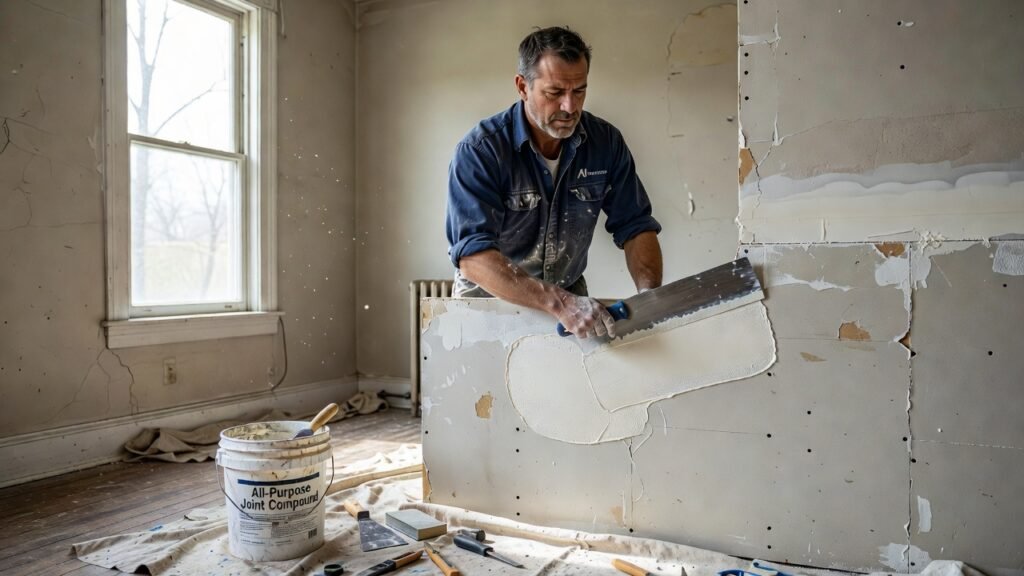
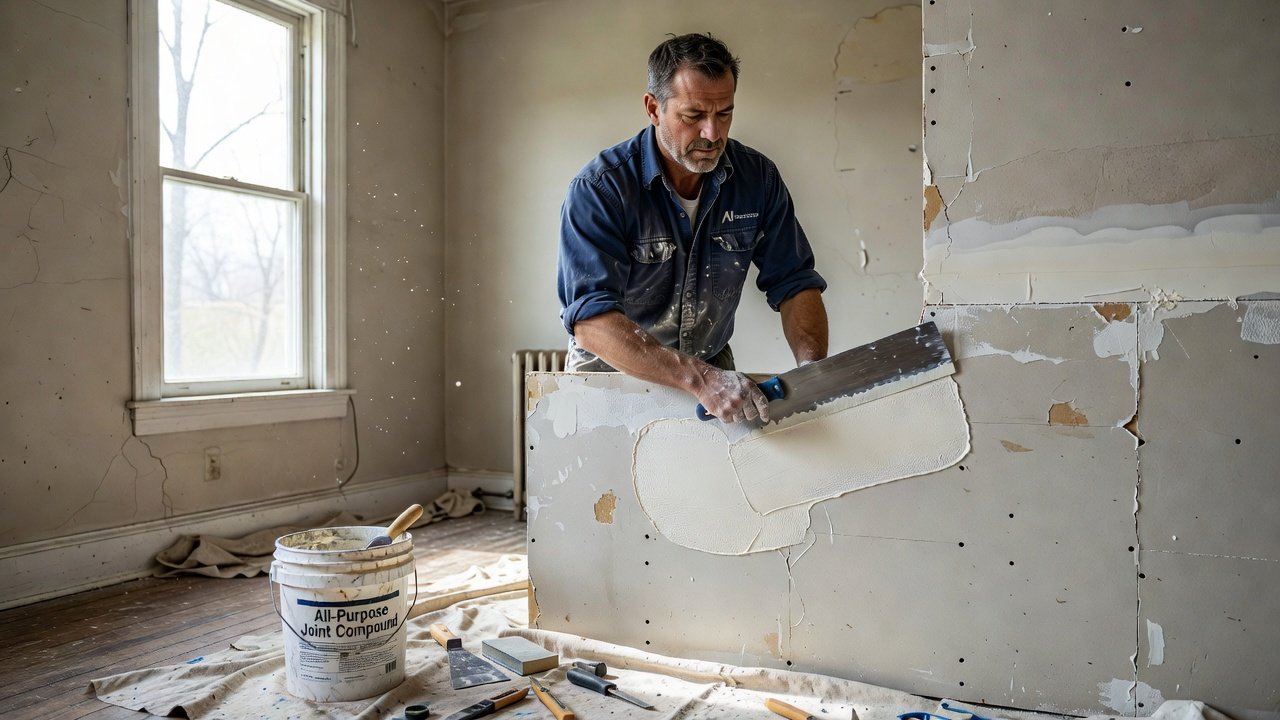
Drywall Repair Binghamton NY: The Best and Worst Times to Book a Contractor
Most homeowners in Binghamton wait until something looks bad enough to ignore. A neighbor in the Riverside area called us last February after a slow roof leak had been quietly spreading moisture through his ceiling drywall since October. By the time he picked up the phone, what started as a hairline crack near a light fixture had turned into a soft, sagging section about three feet wide. The repair scope had roughly tripled. We fixed it, but the timing cost him real money that didn’t have to be spent.
Drywall repair Binghamton NY is one of those services where the calendar matters more than most people realize. Binghamton’s climate is not forgiving. We average over 60 inches of snow per year, humidity swings hard between seasons, and freeze-thaw cycles run from November well into March. All of that has a direct effect on when repairs go smoothly, when they don’t, and what credentials you should be checking before you let anyone touch your walls.
Why timing matters for drywall work in Binghamton’s climate
Drywall compound, also called joint compound or mud, needs stable temperature and humidity to cure properly. The manufacturer specs most contractors follow require indoor temperatures above 55 degrees Fahrenheit and relative humidity below 70 percent during application and through the drying period. Binghamton’s winters push hard against both of those numbers, especially in older homes along the North Side or in the Johnson City corridor where heating systems are working overtime and condensation builds on exterior walls.
When compound is applied in conditions that are too cold or too damp, it dries unevenly. You get shrinkage cracks, bubbling tape, and seams that show through paint within a year. We’ve re-done patches in homes around the Vestal Parkway area that were originally done by contractors who skipped the climate check entirely. It’s a waste of everyone’s time and money.
Season-by-season breakdown for scheduling repairs
Spring (March through May): proceed with caution early, strong finish late
Early spring in Binghamton is wet. March and April see significant rain and the tail end of frost, and interior humidity climbs as homeowners open windows and fresh air mixes with residual winter dampness. If you had any ice damming or roof snow load issues over winter, this is when you’ll find the resulting drywall damage, but it’s not always the right moment to patch it immediately.
Our project managers recommend getting an assessment done in March or April, identifying all affected areas, and then scheduling the actual repair work for late April through May once heating systems have dried out the interior and temperatures are holding above 55 at night. By mid-May, conditions around the Binghamton metro are generally solid for multi-coat compound work.
Summer (June through August): the best window of the year
Summer is the easiest season for drywall repair across Binghamton and the surrounding communities, from Endicott to Chenango Bridge. Indoor humidity is manageable, temperatures are stable, and compound cures predictably. If you have significant repairs planned, this is when our crews can move fastest and deliver the cleanest finish.
Booking in summer is competitive, though. This is peak renovation season, and our schedule fills up quickly, as do most reputable local contractors. If you’re planning a larger project, like repairing drywall after a basement waterproofing job or following a kitchen renovation, summer slots go fast. We regularly start booking June and July work in April.
Fall (September through November): a strong secondary window, but plan around heat activation
September and October are genuinely good months for drywall work. Humidity drops, temperatures are moderate, and the frantic summer schedule eases up. If you missed the summer window, early fall is the next best time to get repairs done before winter. We’ve completed large patch jobs in homes near the East Side and up toward Oakdale Mall without any climate-related complications in October.
The risk is timing. If you push into November and the furnace kicks on before compound has fully cured, rapid temperature changes can cause surface cracking. We advise homeowners to give new repairs at least a week of stable temperature before the heating season starts in earnest.
Winter (December through February): possible, but conditional
We do perform drywall repair during Binghamton winters. We’re not going to tell you it’s impossible. But it requires proper climate control in the work area, which usually means space heaters running during application and through the cure window, and careful humidity monitoring. The job takes longer, material costs can be slightly higher, and there’s more risk of a callback if conditions weren’t managed carefully.
The worst scenario is a homeowner who waits until January to call about damage that showed up in October. By then, moisture has had three months to spread behind the drywall and potentially reach framing or insulation. That turns a drywall repair into a partial gut job. A 2024 Harvard Joint Center for Housing Studies report found that homeowners who invest in professional renovation see 15 to 20 percent higher satisfaction scores compared to DIY projects of equivalent scope, and part of what drives that gap is early professional assessment that catches problems before they compound.
Choosing the right contractor: what to ask before anyone touches your walls
Timing is only half the equation. Who you hire shapes everything else. In Binghamton, as in most mid-size markets, the drywall and general repair space includes a wide range of operators, from licensed and insured full-service crews to individuals running cash-only side operations with no accountability.
Here’s what our team would ask if we were hiring someone outside our own company.
First, ask for their contractor license number and verify it through the New York State Department of State database. This takes about two minutes online and tells you whether the license is current. As of 2026, New York requires home improvement contractors working in Broome County to be registered, and that registration is searchable.
Second, ask for a certificate of general liability insurance naming your address on the project. A verbal “yeah, we’re insured” is not enough. Water or structural damage from a poorly managed repair on your property is your problem if the contractor isn’t properly covered.
Third, get the scope of work in writing before any deposit changes hands. A legitimate contractor can tell you exactly how many coats of compound they’ll apply, whether they’re feathering edges or doing a full skim, and what surface prep the paint will need after. Vague answers here are a red flag.
The red flags we see most often locally: estimates delivered verbally with no paperwork, no physical business address, pressure to pay more than 30 percent upfront, and reluctance to pull a permit when the scope requires one. If a contractor tells you a permit isn’t needed for work that clearly involves structural elements or electrical, walk away.
“The U.S. Census Bureau’s 2024 Survey of Construction found that spending on residential improvements and repairs exceeded $500 billion annually, reflecting sustained homeowner investment in renovation.” With that much money moving through the industry, the range of contractor quality is enormous. Vetting credentials isn’t optional.
We’d also recommend asking for two or three local references, not just online reviews. A contractor who has worked in Binghamton’s housing stock long enough to understand how older homes in the North Side or Westover Hills area are built will handle your project differently than someone who mostly works on new construction elsewhere.
What waiting too long actually costs you
Small cracks from settling are normal in Binghamton homes, especially in the older housing stock around Downtown and the First Ward. Those hairline cracks are inexpensive to fix. But when moisture gets behind drywall and sits there through a Binghamton winter, the paper facing delaminates, the gypsum core softens, and mold can establish in as little as 48 to 72 hours under the right conditions.
A surface crack that costs a few hundred dollars to repair in September can become a drywall section replacement with mold remediation by February. That’s a different conversation entirely. The timing of the call is often the single biggest factor in what a repair costs.
If you’re also dealing with water intrusion from a foundation or roof source, our full renovation crews regularly handle the source repair and the interior drywall restoration as a combined project, which keeps mobilization costs down and avoids scheduling two separate contractors.
Ready to get your repair on the right schedule?
Our team at A1 Construction and Renovation Service works across the Binghamton metro year-round. We assess damage honestly, give you a written scope, and schedule around conditions that actually support a quality repair. If you’re looking at cracked, water-damaged, or deteriorating drywall in your home or commercial property, contact us through a1constructionandrenovationservice.com to get a straightforward estimate and a realistic timeline.
Frequently Asked Questions
What is the best time of year to schedule drywall repair in Binghamton, NY?
Late spring through early fall, roughly May through October, gives you the most reliable conditions for drywall repair in Binghamton. Compound cures better when indoor temperatures stay above 55 degrees and humidity is moderate. Summer is the strongest window, but early fall before the heating season starts is also very workable. Winter repairs are possible but require more prep work and take longer to cure properly.
How do I know if a drywall contractor in Binghamton is legitimate?
Ask for their New York State home improvement contractor registration number and verify it through the NYS Department of State website. Request a current certificate of general liability insurance. Get the full scope of work in writing before paying any deposit. A contractor who can’t or won’t provide those three things is a risk you don’t need to take.
Can small drywall cracks in my Binghamton home wait until spring?
Hairline cracks from normal settling can often wait, but cracks near windows, ceilings, or exterior walls should be evaluated sooner. Binghamton’s freeze-thaw cycle and heavy winter moisture can push water through small openings and spread hidden damage quickly. Getting an assessment in the fall costs nothing significant and can prevent a much larger repair bill by spring.
Areas we serve
Binghamton, NY · Binghamton, NY · Binghamton, NY · Binghamton, NY


